
Best AI Apps for SEO Professionals in 2026
AI SEO apps are intelligent software tools that help SEO professionals automate repetitive tasks, analyze large datasets, and make smarter optimization decisions in less time. Instead of replacing SEO experts, these tools enhance productivity by combining machine learning, natural language processing (NLP), and data analysis to improve keyword research, content optimization, technical SEO, and competitive analysis. According to industry studies from Semrush, HubSpot, and Google Search Central, AI-assisted workflows can significantly reduce content production time while improving research quality when paired with human expertise. As Google continues emphasizing helpful, people-first content and E-E-A-T (Experience, Expertise, Authoritativeness, and Trustworthiness), AI SEO apps have become essential for creating scalable SEO strategies that prioritize user intent, content quality, and search performance.
Key Features to Look for in the Best AI Apps for SEO Professionals
The best AI SEO apps do much more than generate content. They combine multiple SEO functions into one workflow, allowing professionals to research keywords, understand search intent, optimize content, monitor rankings, analyze competitors, and identify technical issues efficiently. A high-quality AI SEO platform should integrate real-time SEO data, support semantic keyword optimization, provide actionable recommendations, and simplify reporting. Choosing a tool with reliable AI capabilities, regular algorithm updates, and integration with platforms like Google Search Console and Google Analytics helps marketers make informed decisions based on accurate data rather than assumptions.
AI-Powered Content Generation and Optimization
Modern AI writing tools help create outlines, improve readability, suggest semantic keywords, optimize heading structures, and identify missing topics. However, the highest-performing content still requires expert editing, fact-checking, and original insights. AI accelerates writing, while human expertise ensures accuracy, credibility, and alignment with Google’s Helpful Content principles.
Keyword Research and Search Intent Analysis
Advanced AI platforms analyze millions of search queries to identify valuable keywords, uncover hidden opportunities, and classify user intent into informational, commercial, navigational, or transactional categories. This enables SEO professionals to create content that closely matches what users expect, increasing engagement, rankings, and conversion potential.
Technical SEO, Automation, and Reporting Capabilities
Leading AI SEO apps automatically detect crawl issues, broken links, duplicate content, missing metadata, indexing problems, and page speed concerns. They also generate detailed SEO reports, prioritize critical fixes, and automate recurring audits, allowing SEO professionals to focus on strategic improvements instead of repetitive manual tasks.
You might also like: How to Choose the Best Pressure Washer for Commercial Cleaning Jobs
Best AI Apps for SEO Professionals in 2026
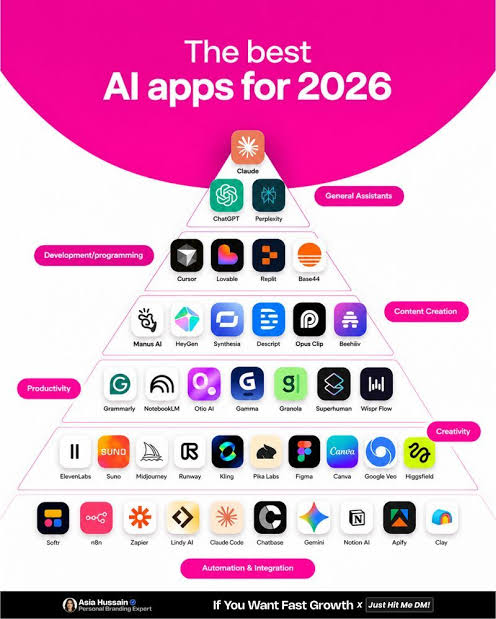
The AI SEO landscape continues evolving rapidly, with specialized tools serving different optimization needs. Some platforms excel at AI-assisted writing, while others focus on keyword intelligence, technical SEO, content optimization, or competitive research. The most successful SEO professionals combine multiple AI applications rather than relying on a single solution. Industry leaders such as ChatGPT, Surfer SEO, Semrush, Frase, Clearscope, Jasper, and other AI-powered platforms continuously release new features designed to support Google’s evolving ranking systems. Selecting the right combination depends on your workflow, budget, content volume, and long-term SEO objectives.
ChatGPT for SEO Research, Content Planning, and Automation
ChatGPT helps SEO professionals brainstorm content ideas, generate topical outlines, cluster keywords, create schema suggestions, automate repetitive SEO tasks, and simplify content planning. When combined with verified SEO data, it becomes a powerful assistant that improves productivity without replacing expert judgment or strategic decision-making.
Surfer SEO for AI Content Optimization
Surfer SEO analyzes top-ranking pages and provides data-driven optimization recommendations based on semantic keywords, heading structure, content depth, and topical relevance. Its Content Editor helps writers align articles with search intent while maintaining natural readability and avoiding unnecessary keyword repetition.
Semrush AI Toolkit for Complete SEO Management
Semrush combines AI-driven insights with one of the industry’s largest SEO databases, supporting keyword research, competitor analysis, backlink monitoring, rank tracking, site audits, and content optimization. Its AI capabilities help marketers uncover opportunities faster while making informed decisions using reliable SEO data.
Frase, Clearscope, Jasper, and Other Leading AI SEO Apps
Frase streamlines content briefs and research, Clearscope strengthens topical relevance through semantic optimization, while Jasper accelerates AI-assisted content creation. Together with emerging AI SEO platforms, these tools help professionals improve efficiency, produce higher-quality content, and build scalable SEO workflows.
How AI Apps Improve Keyword Research and Search Intent Analysis
Keyword research has evolved beyond finding high-volume search terms. Modern AI SEO apps analyze search behavior, semantic relationships, SERP patterns, and user intent to identify opportunities that traditional keyword tools often overlook. These platforms process enormous datasets, helping marketers discover long-tail keywords, topic clusters, and emerging search trends with greater accuracy. Google’s ranking systems increasingly prioritize relevance and intent satisfaction over exact keyword matching, making AI-assisted keyword analysis more valuable than ever. By understanding what users truly want, SEO professionals can create comprehensive content that satisfies search intent, improves engagement, and earns stronger organic visibility.
Finding High-Value Keyword Opportunities with AI
AI identifies low-competition keywords, emerging search trends, question-based queries, and semantic variations that traditional research may miss. These insights help SEO professionals target underserved search opportunities, capture qualified organic traffic, and build content strategies that support sustainable long-term growth.
Understanding User Intent for Better Rankings
AI categorizes search intent by analyzing SERP features, search patterns, and user behavior signals. Understanding whether users seek information, products, comparisons, or solutions enables marketers to create pages that better satisfy search expectations and improve ranking performance.
Building Topic Clusters and Semantic Keyword Strategies
AI groups related keywords into semantic clusters, helping SEO professionals build comprehensive content hubs that strengthen topical authority. This approach improves internal linking, expands keyword coverage, supports Google’s understanding of content relationships, and increases opportunities to rank for multiple relevant searches.
Using AI Apps to Create SEO-Friendly Content That Ranks
Creating content that ranks on Google requires more than inserting keywords into an article. Modern AI SEO apps help professionals build content that aligns with search intent, covers topics comprehensively, and delivers genuine value to readers. By combining AI with human expertise, marketers can produce well-structured articles, optimize on-page SEO elements, and improve topical authority faster than traditional workflows. Google’s Helpful Content system rewards original, people-first content, making quality more important than quantity. AI tools support every stage of content creation from research and outlining to optimization and internal linking while experienced writers ensure accuracy, trustworthiness, and unique insights that improve long-term organic performance.
Creating Optimized Blog Outlines in Minutes
AI analyzes top-ranking pages, search intent, and semantic keywords to generate structured blog outlines within minutes. These outlines help writers cover important subtopics, eliminate content gaps, and create logical heading structures that improve readability, topical authority, and overall search engine optimization performance.
Writing High-Quality Content Without Keyword Stuffing
Modern AI writing assistants recommend natural keyword placement, semantic variations, and related entities instead of excessive keyword repetition. This approach improves readability, aligns with Google’s ranking systems, enhances user experience, and helps create helpful content that satisfies both readers and search engines.
Optimizing Titles, Meta Tags, and Internal Linking with AI
AI SEO apps generate compelling title tags, optimized meta descriptions, and relevant internal linking suggestions based on search intent and page relevance. These optimizations improve click-through rates, strengthen site architecture, distribute authority effectively, and help search engines understand content relationships.
You might also like: RPC Provider: How Remote Interfaces Power Modern Blockchain Networks
AI Apps for Technical SEO and Website Performance
Technical SEO remains one of the strongest foundations of sustainable organic growth. AI-powered SEO applications continuously monitor website health, identify technical issues, and recommend fixes before they impact rankings. These tools simplify complex audits by automatically scanning websites for crawlability problems, indexing errors, duplicate content, structured data issues, and page performance concerns. According to Google Search Central, technical factors such as proper indexing, mobile usability, and Core Web Vitals contribute to a better user experience and stronger search visibility. AI significantly reduces manual workload while enabling SEO professionals to maintain technically optimized websites at scale.
Detecting Crawl Errors and Indexing Issues
AI crawlers quickly identify broken links, orphan pages, redirect chains, duplicate URLs, robots.txt conflicts, and indexing errors. Detecting these problems early helps search engines crawl websites efficiently while preventing valuable pages from losing visibility in search results.
Improving Core Web Vitals and Site Health
AI-powered SEO platforms analyze loading speed, visual stability, responsiveness, and overall site performance using Core Web Vitals metrics. They prioritize optimization opportunities that improve user experience, reduce bounce rates, and support stronger rankings across desktop and mobile search.
Automating SEO Audits and Technical Recommendations
Instead of performing manual audits, AI automatically scans websites, prioritizes technical issues, generates actionable recommendations, and creates easy-to-understand reports. This automation enables SEO teams to resolve high-impact problems faster while maintaining consistent website performance and search visibility.
How AI Apps Help with Competitor Analysis and Link Building
Successful SEO strategies depend on understanding both your own website and your competitors. AI SEO apps analyze competing domains, identify ranking opportunities, uncover backlink sources, and monitor SERP movements using large-scale search data. Instead of spending hours collecting information manually, SEO professionals receive actionable insights that support smarter content strategies and ethical link-building campaigns. These tools also reveal content gaps, keyword opportunities, and emerging industry trends, helping businesses stay competitive in constantly changing search environments. Combining AI-driven analysis with strategic decision-making creates stronger long-term SEO growth and more sustainable organic traffic.
Discovering Competitor Content Gaps
AI compares your website with competing domains to identify missing topics, underperforming keywords, and untapped search opportunities. Filling these content gaps helps increase topical authority, expand keyword coverage, and improve the chances of outperforming competitors in organic search results.
Identifying High-Quality Backlink Opportunities
AI backlink analysis tools evaluate referring domains, authority metrics, relevance, and competitor link profiles to identify valuable outreach opportunities. This enables SEO professionals to build natural, high-quality backlinks that strengthen domain authority and improve long-term ranking potential.
Monitoring SERP Changes and SEO Trends
AI continuously tracks keyword rankings, SERP features, algorithm fluctuations, and competitor movements. These real-time insights help marketers adapt quickly, update content strategically, and maintain visibility despite ongoing changes in Google’s search landscape.
Common Mistakes SEO Professionals Should Avoid When Using AI Apps
AI can significantly improve SEO efficiency, but relying on automation without proper oversight often creates low-quality content and missed ranking opportunities. Google’s algorithms increasingly reward originality, expertise, and user satisfaction rather than AI-generated text alone. SEO professionals should treat AI as an assistant instead of a replacement for critical thinking, industry knowledge, and editorial review. Combining automation with human expertise produces content that is more accurate, trustworthy, and aligned with Google’s Helpful Content guidelines. Avoiding common AI mistakes ensures sustainable rankings while protecting brand credibility and audience trust.
Publishing AI Content Without Human Editing
AI-generated drafts often require fact-checking, tone refinement, originality improvements, and expert insights before publication. Human editing eliminates inaccuracies, enhances readability, strengthens credibility, and ensures the content genuinely helps readers while meeting Google’s quality expectations.
Ignoring E-E-A-T and Content Quality Signals
Strong rankings depend on demonstrating Experience, Expertise, Authoritativeness, and Trustworthiness.
Over-Relying on Automation Instead of an SEO Strategy
Automation improves efficiency but cannot replace strategic planning, audience research, competitor analysis, or business goals. Successful SEO professionals combine AI-generated insights with experience, creativity, and data-driven decision-making to achieve sustainable organic growth.
Choosing the Right AI App Based on Your SEO Goals and Budget
Not every AI SEO tool is designed for the same purpose. Some specialize in content creation, while others focus on technical SEO, keyword intelligence, backlink analysis, or enterprise-level reporting. Selecting the right solution depends on your experience level, project size, workflow requirements, and available budget. Beginners may prioritize affordability and ease of use, whereas agencies often require advanced collaboration, automation, and reporting features. Evaluating pricing, integrations, data accuracy, scalability, and ongoing product development helps ensure you invest in an AI SEO platform that delivers measurable long-term value.
Best AI Apps for Beginners
New SEO professionals benefit from intuitive tools like ChatGPT, Frase, and Surfer SEO because they simplify research, content planning, and optimization. Easy-to-use interfaces, educational resources, and affordable pricing make these platforms ideal for building foundational SEO skills.
Best AI Apps for Agencies and Enterprise SEO Teams
Solutions like Semrush, Ahrefs, and enterprise AI platforms help manage multiple clients and complex SEO campaigns efficiently.
The Future of AI Apps for SEO Professionals
Artificial intelligence is transforming SEO faster than ever before. As Google’s search ecosystem evolves with AI-powered experiences, SEO professionals must focus on creating authoritative, user-centric content supported by intelligent automation.
Future AI applications will offer more advanced predictive analytics, personalized search insights, automated optimization, and deeper semantic understanding. However, human expertise will remain essential for strategic thinking, creativity, and trust-building. Businesses that combine AI innovation with ethical SEO practices, original research, and exceptional user experience will be best positioned to achieve sustainable rankings in the years ahead.
Emerging AI Technologies Shaping SEO
Generative AI, large language models, predictive analytics, multimodal search, and AI-powered search assistants are reshaping SEO workflows. These technologies improve research efficiency, automate repetitive tasks, and help marketers better understand evolving search behavior and content relevance.
How Google’s AI Search Experience Is Changing SEO
Google’s AI-powered search experiences increasingly prioritize comprehensive, trustworthy, and contextually relevant content. SEO
Final Recommendations and Best Practices for Long-Term SEO Success
Use AI to accelerate research, content optimization, technical analysis, and reporting, but always combine automation with expert review and original insights. Prioritize helpful content, follow Google‘s E-E-A-T principles, monitor algorithm updates, and continuously improve your SEO strategy using reliable data and measurable performance metrics.
FAQs
What are AI SEO apps?
AI SEO apps are software tools that use artificial intelligence to assist with keyword research, content creation, technical SEO, competitor analysis, backlink research, and performance tracking. They help SEO professionals work more efficiently while making data-driven optimization decisions.
Which is the best AI app for SEO professionals in 2026?
There isn’t a single best AI SEO app because each tool serves different purposes. ChatGPT is excellent for content planning and automation, Surfer SEO specializes in content optimization, Semrush provides an all-in-one SEO platform, while Frase and Clearscope are ideal for content research and topical optimization.
Are AI-generated articles good for SEO?
AI-generated articles can perform well when they are carefully edited, fact-checked, and enhanced with original expertise. Publishing AI content without human review may reduce quality and fail to meet Google’s Helpful Content standards.
How do AI SEO apps improve keyword research?
AI SEO tools analyze massive search datasets to identify high-value keywords, semantic keyword relationships, search intent, content gaps, and emerging trends. This allows SEO professionals to target more relevant queries and create content that better matches user intent.
What features should I look for in an AI SEO app?
The best AI SEO apps should include keyword research, AI-powered content optimization, technical SEO auditing, competitor analysis, backlink insights, SERP tracking, reporting, and integrations with tools like Google Search Console and Google Analytics.
You might also like: AI Marketing Tools for Small Businesses in 2026
Conclusion
AI SEO apps have become valuable partners for modern SEO professionals, helping streamline keyword research, content creation, technical optimization, competitor analysis, and performance tracking. However, the most successful SEO strategies are built by combining AI-powered efficiency with human expertise, creativity, and data-driven decision-making. As Google’s search algorithms continue evolving and AI-powered search experiences become more common, focusing on helpful, accurate, and user-first content will remain the key to sustainable rankings.
Whether you’re a freelancer, in-house marketer, or agency owner, choosing the right AI SEO tools based on your goals and budget can significantly improve productivity and search performance. Use AI to automate repetitive tasks, uncover new opportunities, and optimize your workflow—but always review, refine, and add original insights before publishing. By balancing automation with quality, experience, and strategic thinking, you’ll be well-positioned to achieve long-term SEO success in 2026 and beyond.
✨ Want more clarity, less confusion? Follow newtopy.