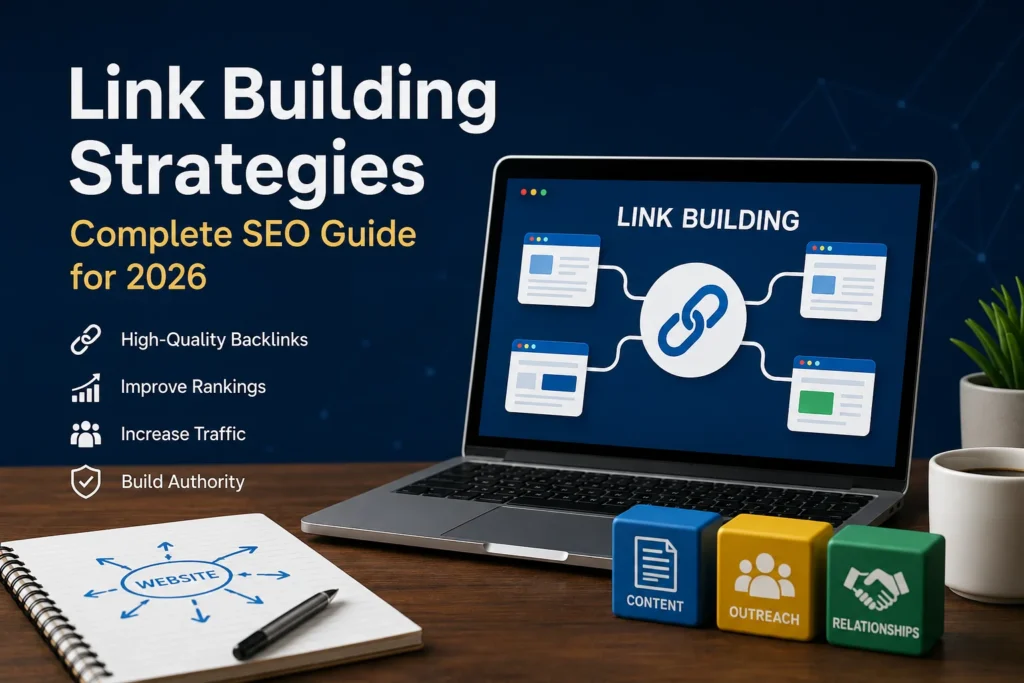

Link Building Strategies: Complete SEO Guide for 2026
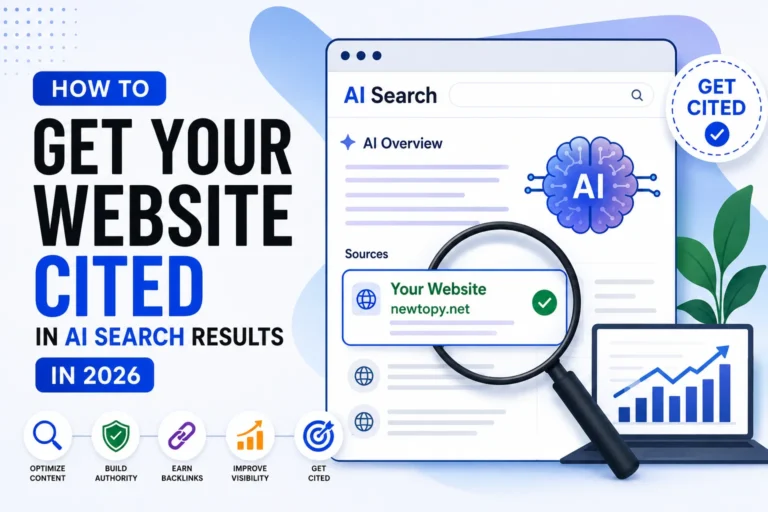
Link building strategies are the planned methods website owners and SEO professionals use to earn backlinks from other relevant websites. Although Google’s ranking systems have become more sophisticated, backlinks continue to act as one of the strongest signals for discovering trustworthy and authoritative content. Google’s spam detection systems now evaluate quality, relevance, context, and editorial value. A well-executed link building strategy strengthens topical authority, increases organic visibility, improves crawl discovery, and drives qualified referral traffic while supporting long-term SEO growth.
Definition of Link Building
Link building is the process of acquiring hyperlinks from external websites that point to your pages. These backlinks help search engines discover, crawl, and evaluate your content. Editorial links earned naturally through valuable resources carry the highest SEO value because they represent genuine recommendations instead of manipulated ranking signals.
How Backlinks Influence Google Rankings
Backlinks act as trust signals that help Google understand whether your content deserves visibility. When respected, relevant websites reference your pages, search engines interpret those links as endorsements. Google has repeatedly confirmed that backlinks remain among many ranking signals, especially when combined with helpful content, strong user experience, and topical expertise.
White Hat vs Black Hat Link Building
White hat link building focuses on earning links through quality content, outreach, digital PR, and genuine relationships. Black hat tactics rely on buying links, private blog networks, spam comments, or automated software. Google’s spam policies target manipulative practices, making ethical, sustainable strategies the safest option for long-term rankings.
Why Quality Matters More Than Quantity
A handful of relevant editorial backlinks often delivers greater SEO value than hundreds of low-quality links. Google’s ranking systems evaluate authority, topical relevance, trust, and placement instead of raw link numbers. One backlink from a respected industry publication can outperform dozens of links from unrelated or spammy websites.
You might also like: How to Make Your Dental Implants Last a Lifetime
How Google Evaluates Backlinks in 2026
Google’s algorithms now assess backlinks using multiple quality signals rather than treating every link equally. Machine learning helps identify natural linking patterns while ignoring or devaluing manipulative links.
Google’s Search Quality Evaluator Guidelines also emphasize expertise, experience, authority, and trustworthiness when assessing content quality. Links that appear naturally within useful content, come from topically relevant websites, and genuinely help readers contribute far more value than artificial link schemes. Building trusted relationships and publishing outstanding resources remains the safest long-term approach for sustainable organic rankings.
Authority and Trust Signals
Trusted publications, educational institutions, government websites, and respected niche authorities typically pass stronger ranking signals. Research from multiple SEO industry studies consistently shows that authoritative referring domains strongly correlate with higher search visibility.
Relevance and Topical Authority
Topical relevance has become increasingly important. A backlink from a website covering your industry carries significantly more value than an unrelated website with higher authority. Consistent links from niche-relevant publications help Google understand your subject expertise and strengthen your overall topical authority.
Anchor Text Best Practices
Anchor text should accurately describe the linked content without appearing manipulated. Natural variations including branded, partial-match, and descriptive anchors create a healthier backlink profile. Overusing exact-match keywords may trigger spam signals, while diverse anchor text better reflects organic linking behavior across the web.
Link Placement and Context
Links embedded naturally within the main body of valuable content usually provide stronger contextual relevance than links placed in footers, sidebars, or author bios. Google analyzes surrounding text to understand why the link exists, making editorial placement significantly more valuable for SEO performance.
Understanding E-E-A-T in Link Building
Google’s E-E-A-T framework Experience, Expertise, Authoritativeness, and Trustworthiness supports stronger content evaluation. Although E-E-A-T is not a direct ranking factor, backlinks from reputable experts and trusted publications reinforce these quality signals. Earning mentions from credible industry sources strengthens your site’s perceived authority and reliability.
Best Link Building Strategies That Actually Work
Successful link building in 2026 focuses on creating genuine value instead of manipulating algorithms. Google’s systems reward editorially earned backlinks supported by useful content, industry relationships, and authoritative resources. Combining multiple proven strategies creates a diversified backlink profile that appears natural and sustainable. According to Google’s spam policies, purchasing large volumes of manipulative links carries significant ranking risks. Instead, SEO professionals achieve stronger long-term results through content marketing, digital PR, strategic outreach, competitor research, and relationship building with relevant publishers and industry communities.
Guest Posting on Relevant Websites
Guest posting remains effective when contributing original, high-quality content to relevant websites. Publishing expert insights on trusted industry blogs builds credibility while earning contextual editorial backlinks. Focus on websites with engaged audiences rather than choosing opportunities solely based on domain authority metrics.
Resource Page Link Building
Many websites maintain curated resource pages that recommend useful tools, guides, and educational content. Creating genuinely valuable resources allows you to pitch editors for inclusion. Because these pages exist specifically to help readers, they often generate highly relevant, long-lasting backlinks.
Broken Link Building
Broken link building involves finding outdated or broken links on relevant websites and suggesting your content as a replacement. Website owners appreciate discovering errors that improve user experience, creating a win-win opportunity for earning editorial backlinks through helpful outreach.
HARO & Digital PR
Digital PR connects journalists with expert sources seeking industry insights. Providing original data, professional opinions, or unique research can earn mentions from respected news publications. High-authority editorial coverage strengthens brand credibility while attracting some of the web’s most valuable backlinks.
Skyscraper Technique
The Skyscraper Technique improves existing high-performing content by making it more comprehensive, current, and useful. After publishing a significantly better resource, outreach targets websites linking to outdated alternatives. Editors often update references when superior information becomes available.
Linkable Asset Creation
Linkable assets are resources designed specifically to attract backlinks naturally. Examples include industry reports, detailed guides, calculators, templates, original datasets, and interactive tools. Exceptional resources encourage journalists, bloggers, educators, and businesses to reference your content without aggressive outreach.
Competitor Backlink Replication
Analyzing competitor backlink profiles reveals websites already interested in your niche. SEO tools such as Ahrefs, Semrush, and Moz help identify valuable linking opportunities. Rather than copying competitors blindly, improve your content before approaching those publishers with stronger resources.
Niche Edits (Contextual Links)
Niche edits involve adding relevant contextual links within existing published content. When editors naturally update articles with helpful references, these links can provide meaningful SEO value. Avoid paid manipulative placements and prioritize editorially approved contextual additions that genuinely improve reader experience.
Local Link Building
Local businesses benefit from earning backlinks from regional organizations, local newspapers, chambers of commerce, business associations, and community events. These geographically relevant links strengthen local SEO signals while improving visibility for location-based searches and attracting qualified nearby customers.
Brand Mention Outreach
Many websites mention brands without linking to their official websites. Monitoring these unlinked mentions creates simple outreach opportunities. Politely requesting a relevant citation often converts existing brand references into valuable backlinks while strengthening your site’s authority and referral traffic.
You might also like: Why AI Tools Are Transforming Student Learning in 2026
How to Build High-Quality Backlinks Naturally
Natural link acquisition begins with publishing content people genuinely want to reference. Rather than chasing every backlink opportunity, focus on becoming a trusted source within your niche. Original research, practical resources, expert opinions, and helpful tools consistently attract editorial links because they solve real problems. Industry studies from organisations like Backlinko and Ahrefs have shown that comprehensive, data-driven content earns significantly more backlinks than thin articles. Consistently producing exceptional resources creates sustainable organic link growth while strengthening authority, trust, and long-term search performance.
Creating Valuable, Link-Worthy Content
Helpful content solves real problems better than competing resources. Comprehensive guides, actionable tutorials, and regularly updated evergreen articles naturally attract backlinks because publishers prefer referencing trustworthy information that delivers measurable value to readers instead of repetitive or shallow content.
Publishing Original Research and Statistics
Original research consistently earns editorial backlinks because journalists, bloggers, and marketers need reliable data. Surveys, industry reports, proprietary datasets, and annual benchmark studies provide unique information unavailable elsewhere. Exclusive statistics increase your content’s authority while encouraging natural citations across multiple publications.
Infographics and Visual Assets
Well-designed infographics simplify complex information into easily shareable visuals. Publishers frequently reference visual content when explaining technical concepts, increasing opportunities for natural backlinks. Supporting graphics with accompanying research, data sources, and written explanations further strengthens their editorial value and credibility.
Free Tools, Templates, and Calculators
Interactive tools provide practical value that encourages repeat visits and organic sharing. SEO calculators, budgeting templates, content planning sheets, and productivity resources frequently attract backlinks because they help users accomplish tasks quickly while giving publishers valuable resources worth recommending.
Case Studies That Attract Editorial Links
Detailed case studies demonstrate real-world experience using measurable results instead of theoretical advice. Showing challenges, strategies, implementation, and verified outcomes builds credibility. Publishers frequently reference transparent success stories because they provide trustworthy evidence that supports broader industry discussions and educational content.
Outreach Strategies for Successful Link Building
Successful link building depends as much on communication as it does on content quality. Even the best resources rarely earn backlinks without strategic outreach. In 2026, publishers receive hundreds of outreach emails every week, making personalization more important than ever. Instead of sending mass email templates, focus on understanding each website, offering genuine value, and building professional relationships. According to multiple digital PR studies, personalized outreach consistently achieves significantly higher response rates than generic campaigns. A thoughtful outreach strategy improves link acquisition while creating long-term networking opportunities within your industry.
Finding the Right Prospects
Successful outreach starts with identifying websites that are relevant to your niche and audience. Look for publishers that regularly cover topics related to your content and have an engaged readership. SEO tools like Ahrefs and Semrush help uncover websites already linking to similar resources, making them ideal outreach prospects.
Writing Personalized Outreach Emails
Editors can quickly recognise generic outreach emails. Personalise every message by mentioning the recipient’s recent content, explaining why your resource adds value, and keeping your email concise. A friendly, genuine approach builds trust and increases the likelihood of earning an editorial backlink instead of being ignored.
Building Long-Term Relationships with Publishers
Treat publishers as long-term partners rather than one-time link opportunities. Engage with their content, share their articles, and offer useful insights without immediately asking for backlinks. Strong professional relationships often result in recurring collaborations, guest posting invitations, and future editorial link opportunities.
Follow-Up Techniques That Increase Response Rates
Many editors simply overlook the first outreach email due to busy schedules. Sending one or two polite follow-up emails several days later can significantly improve response rates. Keep follow-ups brief, respectful, and focused on the value your content provides instead of repeatedly requesting a backlink.
Common Outreach Mistakes to Avoid
Mass email blasts, misleading subject lines, excessive follow-ups, and irrelevant pitches reduce credibility. Avoid requesting backlinks without explaining the benefit for readers. Poor grammar, generic templates, and aggressive sales language often lead to immediate rejection, damaging future outreach opportunities with respected publishers.
Competitor Backlink Analysis and Opportunity Discovery
Competitor backlink analysis is one of the fastest ways to uncover proven link-building opportunities. Instead of guessing where to earn backlinks, analyse websites already linking to top-ranking competitors. Modern SEO platforms reveal referring domains, anchor text, content types, and linking patterns that help shape a smarter strategy. Industry research consistently shows that high-performing websites earn backlinks from a diverse mix of editorial publications, niche blogs, resource pages, and digital PR mentions. Learning from competitors allows you to focus on realistic, high-impact opportunities while avoiding wasted outreach efforts.
Identifying Competitors’ Best Backlinks
Review competitor backlink profiles to identify links from authoritative and relevant websites. Pay close attention to editorial mentions, guest posts, resource pages, and industry publications. These backlinks demonstrate the types of content and relationships that successfully attract high-quality links within your niche.
Finding Easy Link Opportunities
Not every backlink requires extensive outreach. Look for directories, resource pages, business listings, industry roundups, and websites that link to multiple competitors. These opportunities often have established editorial guidelines, making them easier to secure with valuable and relevant content.
Gap Analysis for Link Building
A backlink gap analysis compares your website’s referring domains with those of competing websites. This process highlights authoritative websites linking to competitors but not to you. Closing these gaps strengthens your backlink profile and improves your ability to compete for valuable organic rankings.
Prioritizing High-Value Prospects
Focus first on websites that combine strong authority, topical relevance, and genuine audience engagement. Rather than contacting hundreds of low-quality websites, prioritise prospects capable of delivering meaningful SEO value, referral traffic, and long-term credibility through editorially earned backlinks.
Turning Competitor Insights into Your Strategy
Competitor research should inspire improvement rather than imitation. Analyse why competitors earned specific backlinks, then create more comprehensive resources, updated research, or better user experiences. Offering greater value increases your chances of earning similar links while building a stronger brand reputation.
Essential Link Building Tools for SEO Professionals
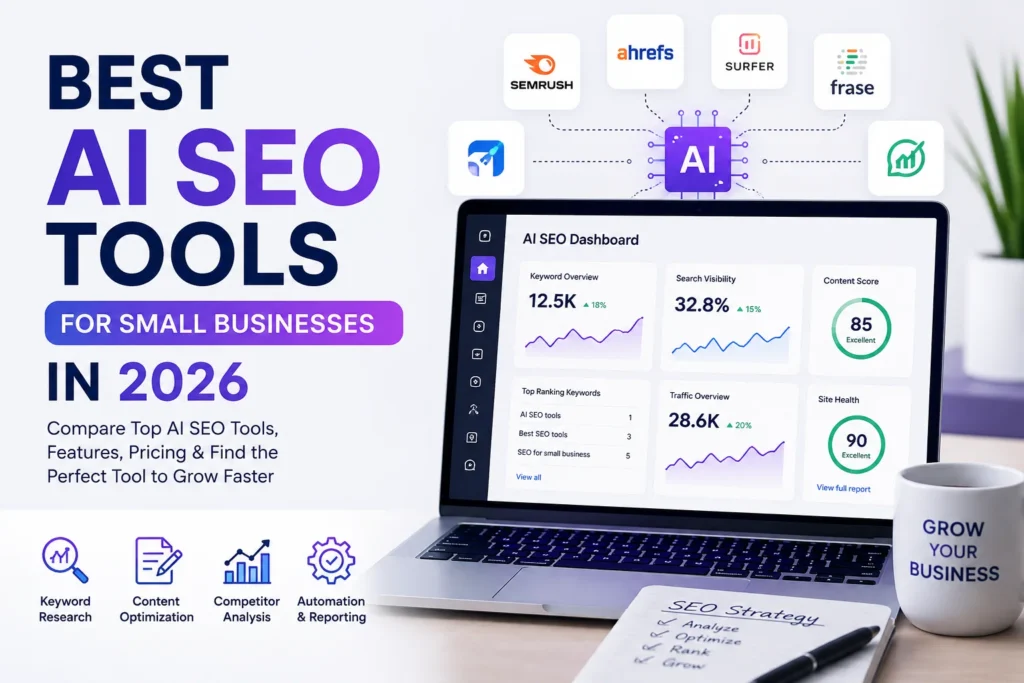
Professional link building requires reliable data, efficient research, and organised outreach. Modern SEO tools simplify backlink analysis, competitor research, prospect discovery, and campaign management. While no single platform provides every feature, combining multiple tools creates a comprehensive workflow that improves productivity and decision-making. Google’s own tools remain essential for monitoring website performance, while commercial SEO platforms provide deeper competitive insights. Choosing the right software depends on your budget, campaign size, and overall SEO objectives rather than relying on a single metric or database.
Ahrefs
Ahrefs is widely recognised for its extensive backlink database and powerful competitive analysis features. It helps identify referring domains, analyse anchor text, monitor new backlinks, and discover link-building opportunities. Its Site Explorer and Content Explorer tools are particularly valuable for advanced SEO professionals.
Semrush
Semrush offers a comprehensive SEO toolkit that includes backlink analytics, competitor research, keyword tracking, and outreach features. Its Backlink Gap and Link Building Tool simplify prospect discovery while helping marketers prioritise high-value opportunities based on relevance and authority.
Moz Link Explorer
Moz Link Explorer provides valuable backlink insights through metrics like Domain Authority and Spam Score. SEO professionals use it to evaluate referring domains, compare competitors, and monitor backlink growth. Its simple interface makes it particularly suitable for beginners and small businesses.
Google Search Console
Google Search Console provides direct data from Google about your website’s backlinks and indexing performance. While less detailed than premium SEO tools, it helps verify referring domains, monitor internal linking, identify indexing issues, and measure overall organic search visibility.
Hunter.io & Email Finder Tools
Finding the correct contact information is essential for successful outreach. Hunter.io and similar email finder platforms help locate verified professional email addresses for editors, marketers, and website owners. Accurate contact information increases outreach efficiency while reducing bounced emails.
BuzzStream and Outreach Management Platforms
BuzzStream simplifies large-scale outreach campaigns by organising prospects, managing conversations, tracking responses, and scheduling follow-ups. Outreach management platforms help teams maintain consistency, avoid duplicate communication, and build stronger publisher relationships through organised workflow management.
You might also like: Best Android Games in 2026 | Top Free & Offline PicksBest
Link Building Mistakes That Can Hurt Your Rankings
Poor link-building practices can damage search visibility instead of improving it. Google’s spam detection systems continue to evolve, making manipulative tactics increasingly ineffective. Rather than chasing shortcuts, successful SEO professionals focus on earning editorial backlinks through valuable content and ethical outreach. Google’s Spam Policies clearly discourage artificial link schemes designed solely to manipulate rankings. Building a natural, diverse backlink profile takes time, but it provides sustainable organic growth while reducing the risk of manual actions or algorithmic penalties that negatively affect long-term website performance.
Buying Low-Quality Backlinks
Cheap backlink packages often consist of spam websites with little editorial value. These links rarely provide lasting SEO benefits and may violate Google’s spam policies. Investing in quality content and genuine outreach delivers safer, more sustainable long-term results than purchasing artificial backlinks.
Over-Optimized Anchor Text
Repeatedly using exact-match keywords as anchor text creates an unnatural backlink profile. Google’s algorithms expect a healthy mix of branded, generic, descriptive, and partial-match anchors. Natural anchor text diversity improves credibility while reducing the risk of appearing manipulative.
Spammy Directory and Forum Links
Submitting websites to low-quality directories or posting irrelevant forum comments purely for backlinks offers little SEO value today. Search engines largely ignore these manipulative tactics, while excessive spammy links may negatively influence your website’s overall trust signals.
Private Blog Networks (PBNs)
Private Blog Networks are collections of websites created primarily to manipulate search rankings through artificial backlinks. Google actively detects and penalises many PBNs. Depending on these networks creates significant long-term risk and rarely supports sustainable SEO success.
Ignoring Link Relevance and Diversity
A healthy backlink profile contains links from multiple trusted sources across different content formats. Relying heavily on one type of website or unrelated industries weakens topical relevance. Diverse, editorially earned backlinks better reflect natural authority and long-term search credibility.
Building Too Many Links Too Quickly
Rapid spikes in low-quality backlinks can appear unnatural, especially for newer websites. Sustainable link growth occurs gradually through consistent publishing, digital PR, and relationship building. Prioritising quality over speed creates a backlink profile that remains resilient through future Google algorithm updates.
How to Measure the Success of Your Link Building Campaign
A successful link-building campaign is measured by business impact rather than the number of backlinks acquired. While earning high-quality links is important, the real goal is improving search visibility, organic traffic, rankings, and conversions. Modern SEO professionals rely on a combination of Google Search Console, Google Analytics 4, and third-party SEO platforms to evaluate performance. Tracking meaningful metrics helps identify which strategies generate the greatest return on investment and ensures your link-building efforts continue supporting sustainable, long-term organic growth instead of focusing on vanity metrics alone.
Tracking Referring Domains
The number of referring domains is one of the strongest indicators of backlink profile growth. Focus on earning links from unique, authoritative websites rather than receiving multiple links from the same domain. Consistent growth in quality referring domains usually signals improving website authority and broader industry recognition.
Monitoring Keyword Ranking Improvements
Improved keyword rankings often reflect the positive impact of quality backlinks combined with helpful content. Monitor both primary and secondary keywords over several months rather than expecting immediate changes. Steady ranking improvements across related topics indicate growing topical authority and stronger organic visibility.
Measuring Organic Traffic Growth
Organic traffic growth demonstrates whether your backlink strategy is attracting more visitors through search engines. Use Google Analytics 4 to compare traffic trends, landing page performance, and user engagement. Rising organic sessions often indicate that backlinks are helping improve search rankings and discoverability.
Evaluating Domain Authority and Page Authority
Metrics like Domain Authority (Moz) and Authority Score (Semrush) provide useful benchmarks for comparing websites. Although Google does not use these proprietary metrics directly, they help evaluate backlink quality, competitive strength, and overall website authority when combined with other SEO performance indicators.
Calculating Link Building ROI
Measure return on investment by comparing campaign costs against increased organic traffic, qualified leads, conversions, and revenue. Consider long-term value because quality backlinks often continue driving rankings and referral traffic for years, making link building one of the highest-return SEO investments.
Future of Link Building Strategies and Expert Best Practices
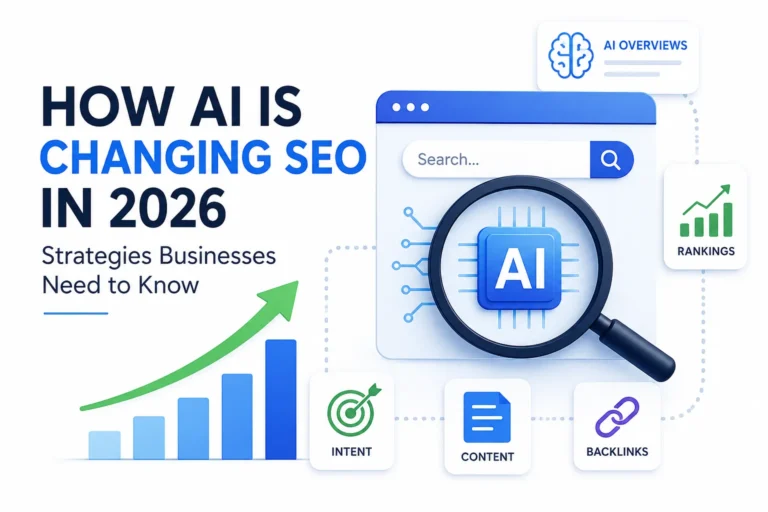
Link building continues to evolve alongside Google’s increasingly sophisticated ranking systems. The future belongs to websites that earn backlinks naturally through expertise, valuable resources, and trusted brand recognition rather than manipulative tactics. Artificial intelligence is transforming research, outreach, and content creation, but genuine editorial recommendations remain irreplaceable. Google’s continued emphasis on helpful content, E-E-A-T principles, and spam prevention means sustainable link-building strategies will focus on quality, topical relevance, and user value. Businesses that invest in long-term authority will remain competitive despite future algorithm updates.
AI’s Role in Link Building
Artificial intelligence streamlines prospect research, content analysis, outreach personalisation, and competitive research. However, AI should support, not replace human expertise. Successful campaigns combine automation with authentic relationship building, ensuring outreach remains relevant, personalised, and valuable for publishers rather than appearing automated or generic.
Topical Authority Over Link Quantity
Search engines increasingly reward websites demonstrating deep expertise within specific subject areas. Publishing comprehensive, interconnected content attracts naturally relevant backlinks over time. Building topical authority across an entire niche now delivers greater long-term SEO value than simply pursuing large numbers of unrelated backlinks.
Digital PR and Brand Building Trends
Digital PR continues gaining importance as brands seek editorial mentions from trusted publications. Original research, expert commentary, surveys, and data-driven reports help businesses earn high-quality backlinks while simultaneously improving brand awareness, media visibility, and customer trust across competitive industries.
Sustainable White Hat SEO Practices
White hat SEO prioritises ethical, user-focused strategies that comply with Google’s Search Essentials. Creating exceptional content, earning editorial links, improving user experience, and building genuine industry relationships produce consistent results while reducing the risk of penalties from future algorithm updates.
Final Link Building Checklist for Long-Term Success
Focus on publishing outstanding content, targeting relevant websites, diversifying backlink sources, monitoring performance regularly, and avoiding manipulative tactics. Build relationships before requesting links, update existing content frequently, and prioritise reader value. Consistency and patience remain the foundation of every successful long-term link-building campaign.
Conclusion
Link building remains one of the most influential components of modern SEO, but success in 2026 depends on quality rather than shortcuts. Google’s algorithms have become increasingly effective at identifying genuine authority, rewarding websites that earn editorial backlinks through valuable content, trusted relationships, and industry expertise. Instead of chasing large numbers of links, invest in creating resources people genuinely want to reference, strengthening topical authority, and building meaningful partnerships within your niche.
The most effective link-building strategy combines exceptional content, strategic outreach, competitor research, digital PR, and continuous performance monitoring. As search continues evolving with artificial intelligence and stronger quality signals, ethical white hat practices will consistently outperform manipulative techniques. By focusing on relevance, trust, and long-term value, your website can build a sustainable backlink profile that supports higher rankings, increased organic traffic, and lasting business growth.
FAQs
What is the most effective link building strategy?
There is no single best strategy for every website. A combination of publishing high-quality content, guest posting on relevant websites, digital PR, and earning editorial backlinks through valuable resources typically produces the strongest long-term SEO results while maintaining compliance with Google’s guidelines.
How many backlinks does a new website need?
There is no fixed number. A new website benefits more from earning a small number of relevant, authoritative backlinks than hundreds of low-quality ones. Focus on quality, topical relevance, and consistent growth instead of targeting a specific backlink count.
Are paid backlinks safe for SEO?
Buying backlinks that pass ranking signals violates Google’s spam policies and may lead to algorithmic devaluation or manual actions. Sponsored partnerships should use appropriate link attributes where required, while editorially earned backlinks remain the safest long-term SEO approach.
Which tools are best for link building?
Popular link-building tools include Ahrefs, Semrush, Moz Link Explorer, Google Search Console, Hunter.io, and BuzzStream. Together, these platforms help with backlink analysis, competitor research, outreach management, performance tracking, and prospect discovery for effective campaigns.
How can beginners start building backlinks?
Beginners should first create valuable, original content that solves real problems. Then focus on guest posting, resource page outreach, local citations, digital PR, and building relationships within their industry. Learning competitor backlink analysis also helps uncover realistic opportunities for earning quality editorial links.
✨ Tech made simple, follow newtopy for more